Exploring the cultural significance of gambling in modern society
Exploring the cultural significance of gambling in modern society
The Evolution of Gambling Through History
Gambling has a long and storied history, tracing back thousands of years to ancient civilizations that used games of chance for entertainment and ritual. From the clay tiles of ancient China to the dice of Mesopotamia, these early forms of gambling laid the groundwork for modern gaming. As societies evolved, so did the methods and cultural perceptions surrounding gambling, transforming it into a complex social activity imbued with cultural significance. Notably, platforms like AudWin88 illustrate how far gambling has come, particularly in terms of accessibility and variety.

The Renaissance marked a pivotal moment in the evolution of gambling, bringing about more organized forms such as lotteries and card games. Gambling became increasingly accepted as a pastime, especially among the upper classes, where it was associated with sophistication and social status. However, it also sparked moral debates, leading to the establishment of regulations and laws aimed at controlling its influence on society.
In contemporary society, gambling has further evolved with the rise of technology, especially with the advent of online casinos and mobile gaming. This shift has made gambling more accessible and widespread, creating new cultural dynamics. The perception of gambling today is multifaceted; it can be seen as a source of entertainment, a means of social interaction, or even a tool for economic development in some regions.
The Social Aspects of Gambling
Gambling plays a significant role in social bonding and community engagement. From poker nights at home to trips to casinos with friends, gambling activities often serve as a social lubricant that brings people together. These gatherings foster relationships and enhance community ties, creating shared experiences that can strengthen social networks. The rituals surrounding these activities, such as game nights or betting pools, also contribute to a sense of belonging among participants.
Moreover, gambling often intertwines with various cultural festivities and local traditions. In many cultures, games of chance are integral to celebrations, allowing communities to engage in friendly competition and revelry. Events like charity poker tournaments or festival lotteries not only raise funds but also reinforce communal bonds, showcasing how gambling can enhance the social fabric of society.
However, it’s crucial to acknowledge the flip side of this social aspect. While gambling can promote camaraderie, it can also lead to isolation and addiction for some individuals. The challenge for communities lies in balancing the positive social interactions fostered by gambling with the potential risks it poses to certain members, emphasizing the need for responsible gambling practices.
The Economic Impact of Gambling
The gambling industry has grown into a substantial economic force, generating billions in revenue worldwide. This financial boom can be attributed to various factors, including tourism, job creation, and tax revenues. Regions with legalized gambling often experience a surge in tourism, attracting visitors eager to participate in gaming activities, which in turn stimulates local economies through increased spending in hospitality and retail sectors.
Additionally, the tax revenue generated from gambling activities provides governments with essential funds that can be allocated to public services such as education, healthcare, and infrastructure. For many local governments, the financial benefits of regulated gambling have led to a more favorable attitude toward its legalization and expansion. This economic dependency raises questions about the sustainability of relying on gambling for fiscal health.
However, the economic benefits must be weighed against the social costs associated with gambling, including addiction treatment and social welfare programs. Communities must navigate the challenges of harnessing the economic potential of gambling while also safeguarding the well-being of their citizens. This balance is crucial for ensuring that the advantages of gambling do not come at too high a cost to society.
Gambling and Technology
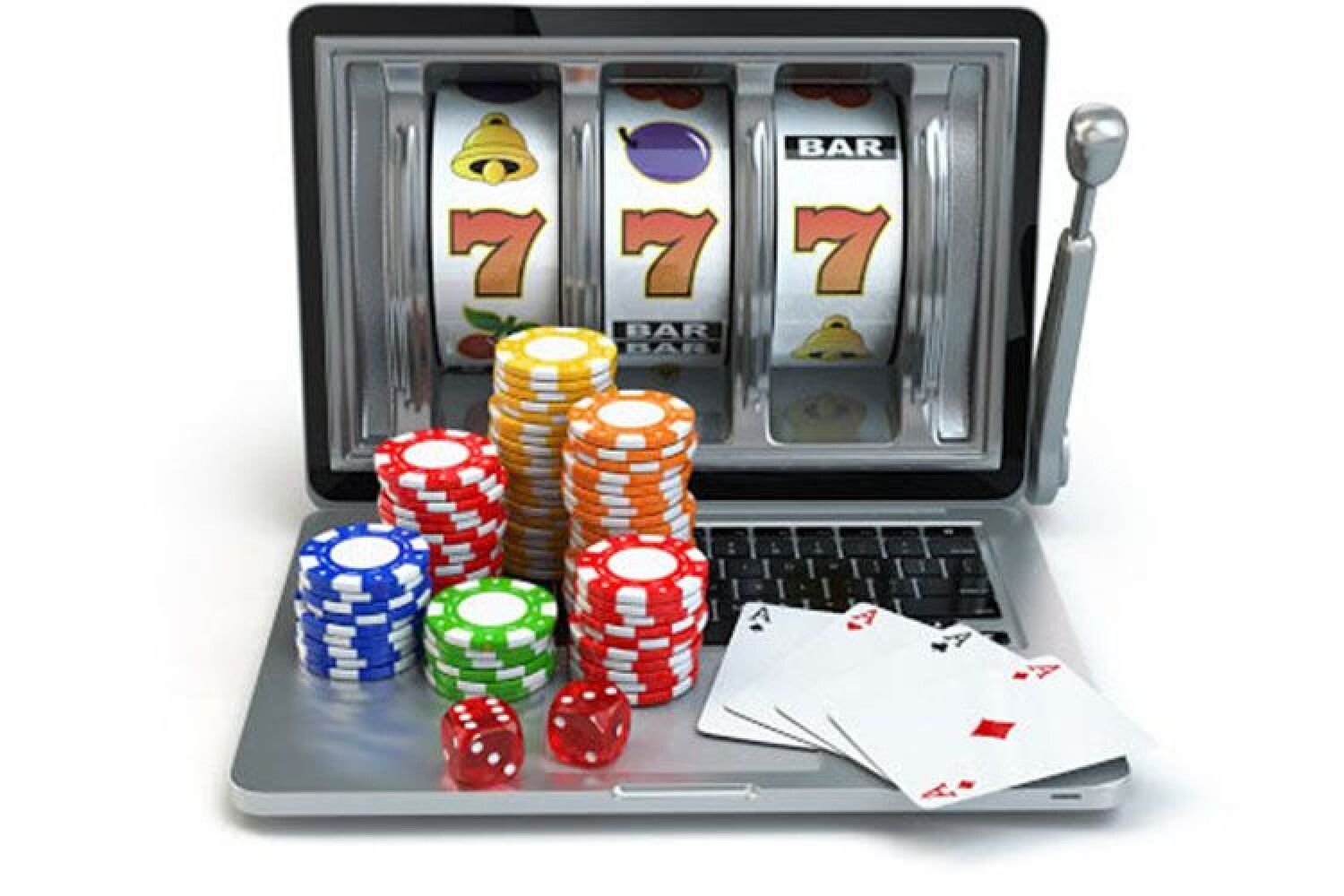
The advent of technology has revolutionized the gambling landscape, introducing new platforms and gaming experiences. Online casinos and mobile apps have made gambling more accessible than ever, allowing players to enjoy their favorite games from the comfort of their homes. This shift not only expands the audience for gambling but also changes the way individuals engage with gaming, fostering new cultural norms around it.
Furthermore, the integration of technology in gambling has led to innovative features such as live dealer games, which bridge the gap between online and traditional gaming environments. These developments create a more immersive experience for players, drawing them into the action and enhancing social interactions, even in a virtual setting. This technological transformation has made gambling a more socially engaging and exciting endeavor.
Yet, with the rise of online gambling, there are concerns regarding regulation and responsible gambling practices. The anonymity and ease of access can lead to increased gambling-related problems, making it essential for operators and regulators to implement measures that promote safe gaming. Striking a balance between innovation and responsibility is key to ensuring that technology enhances rather than undermines the cultural significance of gambling.

Online Gambling Platforms and Their Influence
Online gambling platforms have significantly influenced modern gaming culture, exemplified by the emergence of websites designed for a seamless user experience. These platforms not only offer a wide variety of games but also incorporate elements that appeal to a diverse audience. For example, many sites provide generous bonuses, loyalty programs, and social features, making them attractive to both seasoned players and newcomers.
Moreover, online platforms have created virtual communities where players can connect, compete, and share experiences. These digital interactions mimic the social aspects of traditional gambling venues, allowing for a vibrant culture to thrive in the online space. The gamification of online gambling, with leaderboards and tournaments, further enhances engagement and fosters a sense of community among players.
However, the influence of online gambling extends beyond entertainment; it raises critical questions regarding regulation, ethics, and social responsibility. As the popularity of these platforms grows, so does the need for robust frameworks to protect players from potential harms associated with gambling addiction. The challenge for the industry is to maintain its appeal while also addressing these societal concerns, ensuring a sustainable and responsible gaming culture.